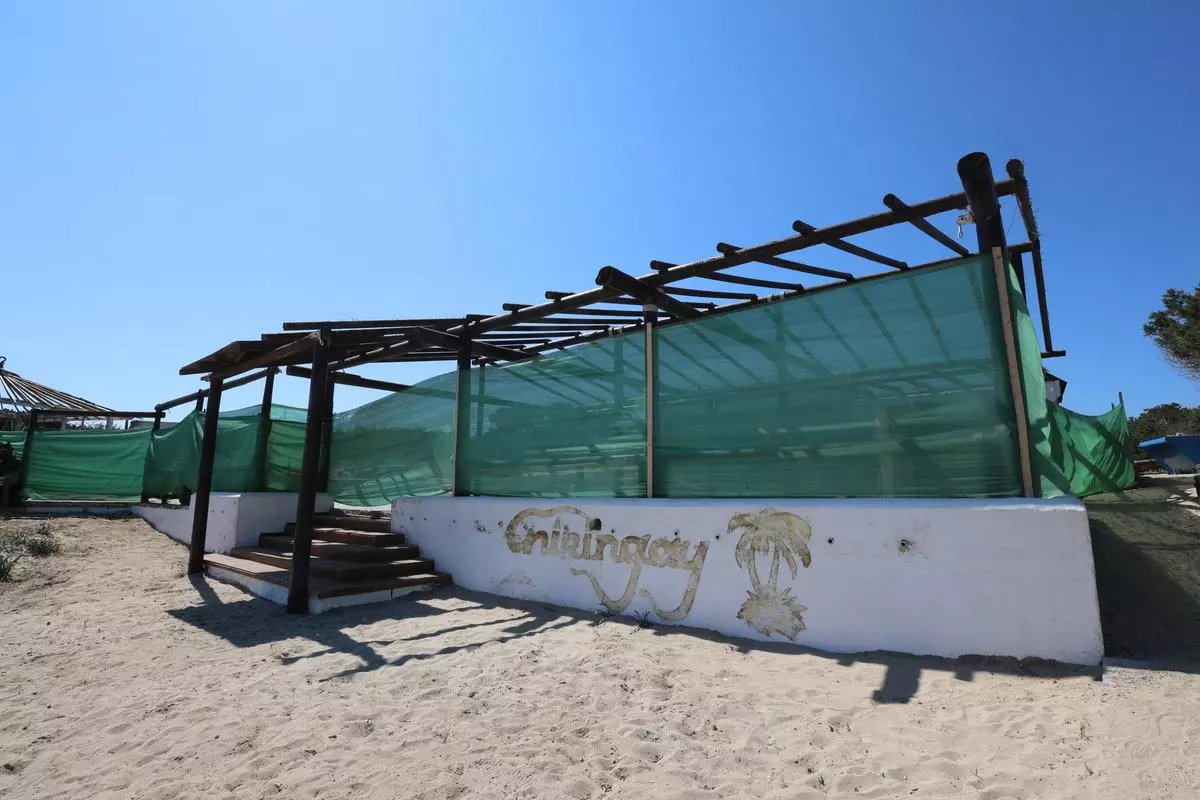
One of the most recognizable names in Ibiza’s beach culture is set to disappear. Chiringay, the legendary beach restaurant and meeting place located on Es Cavallet Beach within the Ses Salines Natural Park, has announced its closure after 45 years of history, bringing an end to a chapter that has become part of the island’s cultural identity.
The establishment shared the news through its official Instagram account, publishing an emotional farewell message accompanied by images celebrating decades of memories, friendships and summer experiences.
“After 45 years of love, laughter and summers, the time has come to say goodbye,” the Chiringay family wrote in its farewell message.
Against a backdrop featuring the colors of the rainbow flag, another image carried a poignant message: “All great stories come to an end. After 45 years, ours does too.”
A Landmark of Ibiza’s LGBTQ+ Community
Signed by Alberto and the entire Chiringay family, the message expressed gratitude to the generations of visitors who made the venue a symbol of freedom, diversity and inclusion on the island.
“For 45 years we have shared laughter, hugs and memories we will never forget. Thank you for making our home your home,” the statement read.
Over the decades, Chiringay became far more than a beach restaurant. It evolved into one of the most important social hubs for Ibiza’s LGBTQ+ community, attracting visitors from around the world and helping establish Es Cavallet as one of Europe’s best-known LGBTQ+-friendly beaches.
The farewell publication featured photographs from throughout the venue’s history alongside messages in both Spanish and English dedicated to customers, friends and long-time supporters.
“Chiringay will always be part of Ibiza’s history,” one of the images stated.
The family paid special tribute to guests who returned year after year, emphasizing that their loyalty and affection were the reason the business endured for nearly half a century.
A Beach Business at the Heart of Environmental Debates
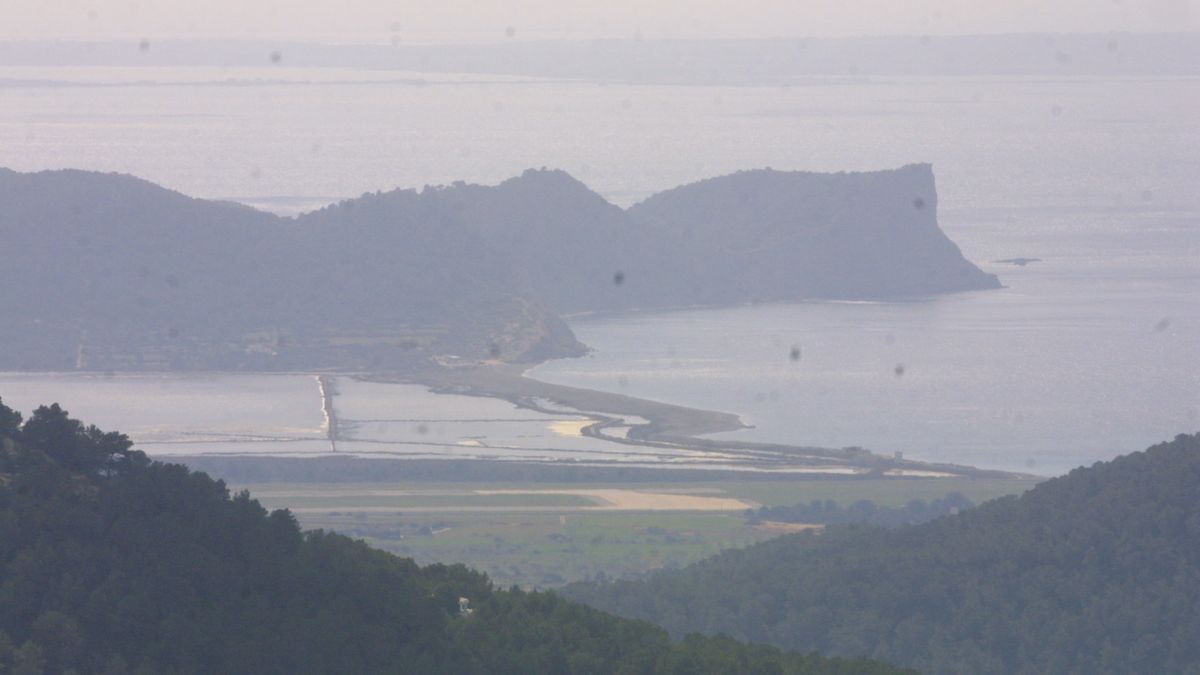
Chiringay’s story has also been closely linked to the complex regulatory challenges facing businesses operating within the protected environment of the Ses Salines Natural Park.
The venue was among several restaurants located on Es Cavallet and Ses Salines beaches affected by coastal restoration plans first proposed by Spanish authorities in 2007. The project aimed to restore dune systems and reduce the environmental impact of commercial structures located within the public maritime-terrestrial domain.
Under those plans, beach establishments would have faced significant reductions in their permitted footprint, a measure that business owners argued would make their operations economically unviable.
Over the following years, the future of these businesses remained uncertain as authorities continued evaluating concessions, coastal boundaries and compensation mechanisms under Spain’s Coastal Law.
Recent Legal and Planning Challenges
More recently, in March 2026, renovation works at Chiringay were halted following an inspection involving environmental authorities from the Balearic Government, Spain’s environmental police unit SEPRONA, and urban planning officials from the Sant Josep de s’Atalaya Council.
According to local reports, inspectors identified extensive remodeling works allegedly being carried out without the required permits on protected rural land within the natural park.
Despite these challenges, Chiringay’s legacy extends far beyond legal disputes and planning regulations.
For many residents, visitors and members of the international LGBTQ+ community, the venue represented a unique spirit of tolerance, celebration and coexistence that helped define Ibiza’s global reputation over the last four decades.
“With all our love, Alberto and the entire Chiringay family,” the farewell message concluded.
With those words, one of Ibiza’s most iconic beach establishments closes its doors, leaving behind 45 years of memories on the sands of Es Cavallet Beach and an enduring place in the island’s collective memory.