Study commissioned by Noches de Ibiza argues that early-entry discounts, drink packages and dynamic pricing are changing tourists’ spending habits and putting pressure on independent businesses
A study commissioned by the Noches de Ibiza Association of Nightlife Businesses (AEON) argues that the commercial strategies used by major nightclubs, hotels and beach clubs are reducing the amount of time and money tourists spend at independent bars and restaurants in Ibiza and Sant Antoni.
The report was carried out during July and August 2026, combining on-site observations, conversations with business owners and an analysis of prices, opening times and sales systems.
The study is not an official assessment by public authorities, but rather a report commissioned and promoted by AEON. Among its conclusions, the document identifies what it describes as “a downward trend in the profits and financial viability of small businesses in Ibiza and Sant Antoni”, linking it to “the growing sophistication of the marketing models used by large hotel and club monopolies.”
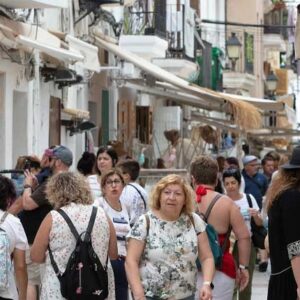
According to the report, small bars and restaurants around Ibiza Town’s port are experiencing lower levels of activity because some tourists leave the area before midnight to fit in with the entry times of nightclubs and other venues. The study attributes this behaviour to prepaid tickets, discounts for arriving before a set time, drinks packages and club-linked transport services.
Early-entry tickets and drinks packages
The analysis examines commercial strategies used by hotels, nightclubs and beach bars. In the case of hotels, it highlights the sale of additional services at the time of booking — including club tickets, drinks and transport — as well as all-inclusive packages, in-house parties and loyalty programmes.
According to the study, these strategies “encourage a greater share of spending to remain within the establishment itself.”
For nightclubs, the report focuses particularly on dynamic pricing and discounts linked to entry times. It argues that access conditions, guest lists and surcharges for arriving late influence the time at which customers plan their nights out.
As an example, the study notes that early-entry tickets for certain events can become more expensive as the evening progresses, while some events offer combined packages with discounts. It also refers to parties where free guest lists close at a specific time.
In the authors’ view, these practices encourage people to arrive earlier and reduce the likelihood that they will have dinner or drinks beforehand at other local businesses.
The report also examines drinks packages sold online, arguing that these offers encourage customers to wait until they reach the club before consuming drinks rather than spending money at other venues beforehand.
Observations in Ibiza and Sant Antoni
To support its conclusions about Ibiza, the report includes observations carried out on July 23, 25 and 29, followed by further observations during August.
According to the document, researchers observed numerous customers leaving the Ibiza port area between 11.30pm and 12.30am, at the same time as queues were beginning to form outside nightclubs.
In its summary, the report states that “most tourists leave the Ibiza port area before 12.30am, following the clubs’ entry and free-transport policies.” It also argues that some customers organise their night around the timetables of free club buses.
In Sant Antoni, the study includes conversations with ticket sellers who say they have recorded a significant decline in sales over the past three years and describe 2026 as the worst year. Among the reasons they cite are higher ticket prices and the growing volume of direct sales through clubs’ own websites.
AEON’s assessment of Ibiza’s nightlife model
Based on these findings, AEON argues that the current tourism and nightlife model “is putting the viability of small businesses at risk” and criticises what it describes as insufficient regulation of activities, opening hours and capacity.
The association also describes the situation as “unfair competition” for bars and restaurants in Ibiza’s port, the West End and Sant Antoni Bay.
Noches de Ibiza says that “the only ones losing out are the owners of bars and restaurants in Ibiza and Sant Antoni, who are seeing their customers disappear”. The association is calling for changes to the Tourism Law, greater regulation of the sector and limits on nightclub capacity, proposing a maximum of 3,000 places.
These proposals are AEON’s own recommendations, based on the findings of the study it commissioned.
How the Ibiza nightlife study was carried out
The methodology combines on-site observations, interviews, photographs, website reviews and the recording of prices, incentives and entry patterns.
According to an AEON statement, the researchers also developed an automated programme using Python and SQLite to collect information on events, tickets, packages and VIP offers published by Ibiza’s clubs.