Taxi drivers in Ibiza have faced a sharp rise in confrontational incidents in recent years, prompting the island’s Consell to organise training courses to help them stay safe when dealing with difficult passengers. One such course begins today at the Sa Blancadona sports centre, delivered by medical services company Emergency Staff and attended by around 50 drivers.
Ibiza’s summer season creates two situations in which passengers can often lose their composure, making life difficult for taxi drivers. “They frequently have problems with people leaving nightclubs under the influence of substances, or when there aren’t enough taxis available and customers have to wait for half an hour,” explains Marcos Bellver, one of the course instructors.
Taxi driver assault case goes to court this month
Earlier this month, a trial was held involving a passenger who knocked out two of a taxi driver’s teeth and injured his eye. Prosecutors are seeking a four-year prison sentence and a restraining order.
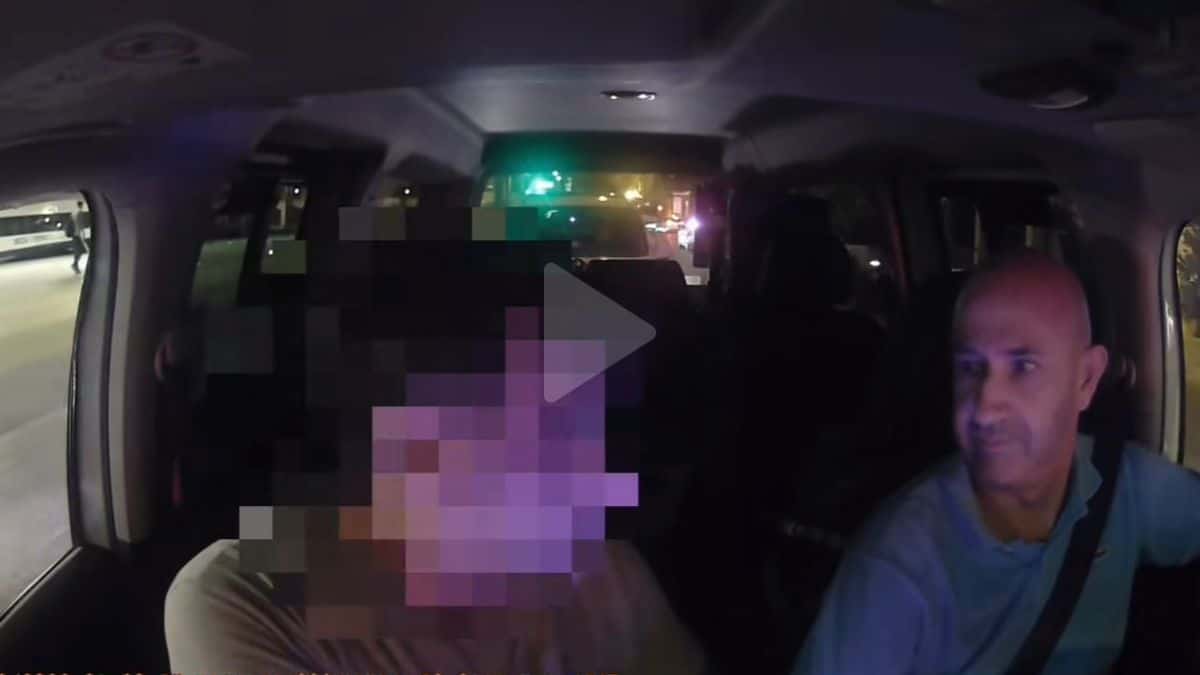
This summer, a video also went viral showing a female taxi driver being unexpectedly attacked by one of four intoxicated tourists. She had asked the group to get out of her taxi because they were smoking and drinking inside the vehicle. Fortunately, several fellow drivers witnessed the incident and left their cars to come to her aid.
“We have to understand that assaults are always the exception. The problem is that they attract a lot of attention,” Bellver stresses.
How to respond when a passenger becomes aggressive
The first step is to recognise the early signs that a situation is becoming tense. During the theoretical part of the course, drivers learn about non-verbal communication and how to spot changes in a passenger’s facial expressions and body language. An inverted V shape in the eyebrows, flared nostrils or clenched fists can all be warning signs that someone may become aggressive.
Bellver says drivers should always avoid verbal confrontation, but that does not mean appearing weak. Instead, the recommended approach is to “try to show calm, confidence and patience”, while acknowledging the other person’s anger without getting drawn into an argument.
If tensions continue to rise and there is a risk of physical violence, the priority changes. “Protect yourself and get away,” Bellver says.
The practical sessions therefore focus on how to protect themselves, create distance and find a way out. The course ends with a simulation in which drivers put their training into practice, from communication and de-escalation to withdrawing from the situation as it develops.
The course, organised by the Consell in collaboration with Emergency Staff, began this Tuesday and will continue on 25 and 26 November, as well as 10 December. In each session, instructors work with groups of between 12 and 14 taxi drivers.
“There is no such thing as 100% safety, and we don’t have a magic wand. But we can help, make suggestions and minimise harm and risks,” Bellver concludes.