Formentera joins five-island Mediterranean pilot project
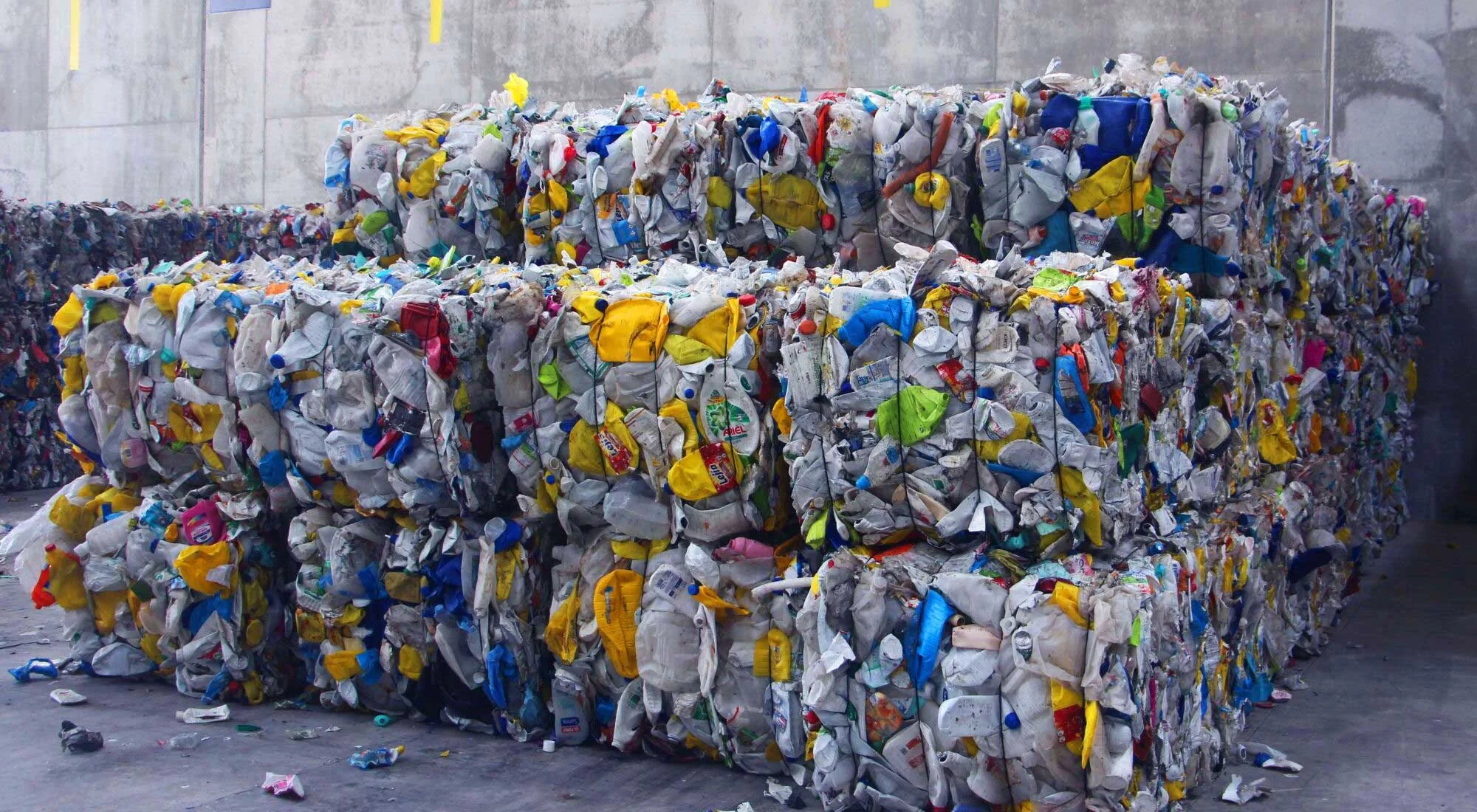
The pressure placed on Mediterranean islands during the peak tourist season does not disappear when visitors leave. A significant share remains behind as waste, particularly packaging and other single-use products that local waste-management systems can struggle to handle and that, in many cases, eventually affect the marine environment.
The challenge is particularly acute in small island communities, where both population and consumption can increase dramatically over just a few months.
To tackle the growing problem of single-use plastic waste, the European LooP Zone project is testing ways to prevent these products from becoming waste in the first place and promote more sustainable alternatives.
Formentera has been selected as one of five Mediterranean pilot islands, alongside Salina in Italy, Skiathos in Greece, Vis in Croatia and Gozo in Malta.
The Consell Insular de Formentera is participating as a project partner with a budget of €164,700, including €131,760 in European funding.
Project partners estimate that the more than 200 million tourists visiting the Mediterranean every year contribute significantly to the generation of single-use waste, which accounts for more than 60% of marine litter.
Rather than focusing solely on waste collection, LooP Zone aims to intervene before the waste is created through so-called Low Plastic Zones. These are areas where public authorities, businesses and local stakeholders work together to reduce disposable products and encourage reuse.
Formentera will therefore act as a real-world testing ground for solutions designed for destinations that depend heavily on tourism, experience strong seasonality and have limited capacity to cope with the surge in waste generated during the summer.
Measuring the scale of single-use plastic consumption
The project began in September 2025 and will run until May 2029. Its first stage is focused on understanding the situation on each participating island so that measures can be designed, tested and eventually adapted for other Mediterranean destinations.
Formentera is currently in this assessment phase in summer 2026.
Since July, the Rezero foundation, which specialises in waste prevention and the circular economy, has been surveying hotels, restaurants, cafés, bars, beach businesses and catering companies across the five pilot islands.
The research looks at which single-use products businesses consume — including cups, bottles, cutlery, straws and food containers — as well as how much they use, what they cost and whether viable alternatives are available.
The study also examines the practical barriers that can make the transition more difficult. The price of alternatives, supplier availability, storage requirements, customer habits and lack of information can all stand in the way of replacing disposable products, even when the change appears straightforward.
The assessment will be complemented by interviews with businesses and consultations on waste-management practices. The findings will then be used to design the measures that will subsequently be tested in Formentera.
From disposable products to reuse
LooP Zone includes a range of potential measures, from reusable alternatives and business advice to staff training and public-awareness campaigns. The solutions will be tailored to the specific circumstances of each participating island.
The project also seeks to encourage public policies and business models that make it easier for companies to move away from the traditional “use-and-throw-away” model.
The underlying principle is that reducing plastic consumption should not simply mean replacing one disposable product with another. Instead, the goal is to prevent waste at source and accelerate the shift towards reuse.
Building on previous experience in the Balearic Islands
LooP Zone builds on previous initiatives, including Plastic Free Balearics, launched in 2021 to reduce tourism-related single-use products.
That initiative led to the creation of the HAPI (Honest Alternatives to Plastics Index), a tool designed to assess the environmental impact of single-use products and help identify more sustainable options.
This previous work now provides a foundation for analysing which products businesses are actually using and what realistic alternatives are available.
The aim is to ensure that future measures respond to the practical needs of businesses, rather than remaining theoretical proposals that are difficult to implement during the busy tourist season.
A €4 million project across six countries
LooP Zone has a total budget of almost €4 million and brings together 12 partners from six countries.
Alongside the Consell de Formentera, the partnership includes public administrations, environmental organisations and specialists in the circular economy.
In the Balearic Islands, the initiative also involves the Balearic Islands Tourism Strategy Agency, the Hotel Business Federation of Ibiza and Formentera and the Save the Med Foundation.
The five pilot islands will operate as a shared testing laboratory, allowing project partners to compare approaches and identify which measures can work in destinations facing similar tourism and waste-management pressures.
Formentera is currently focused on measuring consumption, costs, suppliers and barriers to change. The next stage will move from analysis to on-the-ground testing, providing an opportunity to determine whether the proposed solutions can deliver a sustained reduction in single-use products and help prevent waste generated during the busiest months of the tourist season from accumulating on land or reaching the Mediterranean Sea.