Opens in a new tab
function updateHeaderHeight() {
        // Get the height of #brx-header
        const headerHeight = document.querySelector('#brx-header').offsetHeight;
          
        // Store the height in the CSS custom property --header-height
        document.documentElement.style.setProperty('--brxw-header-height', headerHeight + 'px');
    }

    // Execute the function as soon as the document is ready
    document.addEventListener('DOMContentLoaded', function() {
        updateHeaderHeight();  // Initial update of header height when the document is ready

        // Update the header height on window resize and orientation change
        window.addEventListener('resize', updateHeaderHeight);
        window.addEventListener('orientationchange', updateHeaderHeight);
});

Modified: Tuesday, March 31 2026, 11.52pm

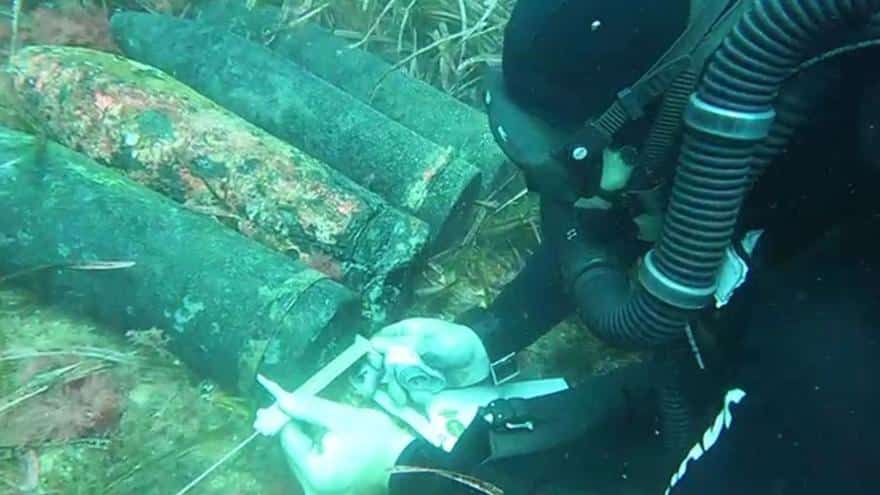
Over the past seven years, the Spanish Navy has deactivated 13 artillery devices near the islets of es Daus, off the coast of Ibiza. These shells, discovered in two separate incidents in March 2017 and May 2024, were neutralized due to safety concerns. Experts, including historian Pere Vilàs Gil and retired captain José María Prats Marí, believe these are expired munitions disposed of by being dumped at sea, likely originating from the dismantled battery of s’Illa Grossa. This method of disposal was common until it was banned in the 1990s. The Navy’s controlled explosions aimed to minimize environmental impact, although there are suggestions that beaconing undetonated shells might be a less harmful approach. For the full article, please visit Diario de Ibiza website here.