Formentera has launched its first olive oil production season at a new mill serving the island’s farmers, marking a significant milestone for local agriculture. Growers began bringing their olives to the Agricultural Cooperative on 30 September, and around 20,000 kilos of olives have already been milled, accounting for half of the approximately 40,000 kilos expected to be processed by 15 or 16 October.
A total of 40 producers are using the new facility during its inaugural season. Seven are professional growers who intend to sell their olive oil commercially, while the remaining 33 are small-scale producers making oil for their own consumption.
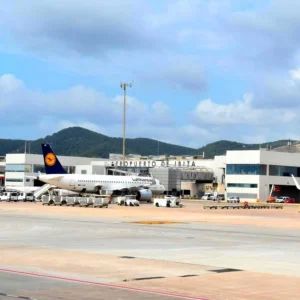
The opening of the mill represents a major change for Formentera’s agricultural sector. Until now, farmers had to transport their olives to neighbouring Ibiza for milling.
“It is a step forward not having to go to Ibiza to produce our olive oil, as we have done until now. It involved higher costs for us and a loss of oil quality,” said Marcos Ribas, president of the Agricultural Cooperative.
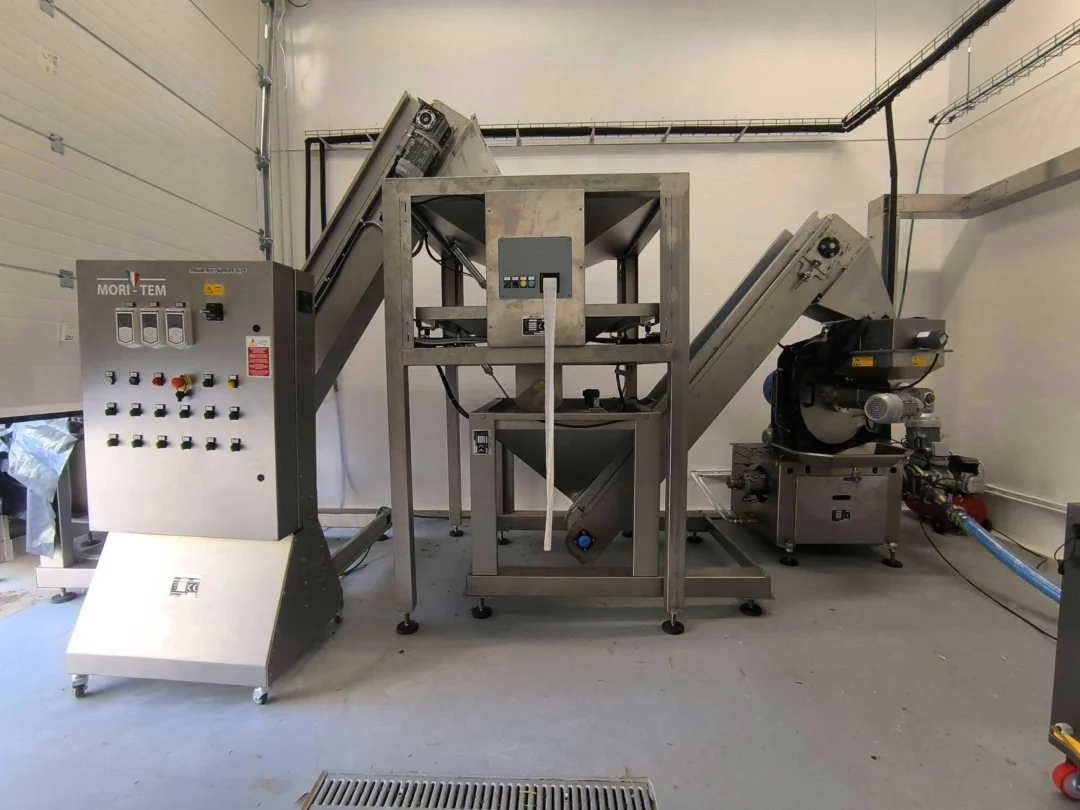
For the first production season, a specialist from Jaén, in Andalusia, has travelled to Formentera to oversee the mill’s operation until mid-October.
“We have milled around 20,000 kilos so far, and we expect the final figure to be close to 40,000,” Ribas said.
A smaller olive harvest than last year
Olive production on Formentera is expected to be lower than last year, when approximately 80,000 kilos of olives were harvested.
Joan Simonet, the Balearic Islands’ regional minister for Agriculture, Fisheries and the Natural Environment, visited the new facilities on Wednesday alongside Óscar Portas, president of Formentera’s Island Council, Javier Serra, the island councillor for Territory, Economy and Infrastructure, and representatives of the cooperative.
Simonet explained that olive trees naturally alternate between years of abundant production and lighter harvests.
“One year they produce a lot of olives and the next they don’t. This year is a low-yield year,” he said.
The regional minister also highlighted the olive tree’s suitability for the island’s climate and its potential to strengthen local agriculture.
“It is a way of reinforcing Formentera’s primary sector because, in the context of climate change, the olive tree is very well adapted to our climate and helps bring agricultural land back into use,” Simonet said.
The new mill is expected to make local olive growing more practical by reducing transport requirements and allowing farmers to process their harvest directly on the island.
Formentera seeks protected geographical status for its olive oil
The Agricultural Cooperative now hopes to take the project a step further by applying to the Balearic government for a Protected Geographical Indication (PGI) for Formentera olive oil.
Ribas explained that the oil produced during this first season will not yet be eligible for commercial sale under the designation “Formentera olive oil”.
“This year it cannot be marketed as Formentera olive oil, but we are going to apply to the regional government and work towards obtaining Protected Geographical Indication status,” he announced.
A PGI would help formally recognise the product’s geographical origin and could strengthen its identity in the market, subject to the relevant approval and requirements.
The investment behind Formentera’s new olive oil mill
The construction and equipment of the facility represent an investment of at least €809,713, according to the project figures.
The total comprises three main elements:
- €101,349 for the initial works carried out by Tragsa before the Island Council terminated the contract following delays.
- €442,769 for the subsequent contract to complete the facilities.
- €265,595 for the purchase of the olive-processing machinery.
Of the total investment, almost €370,000 has been subsidised by the Balearic government.
A milestone for Formentera’s agricultural sector
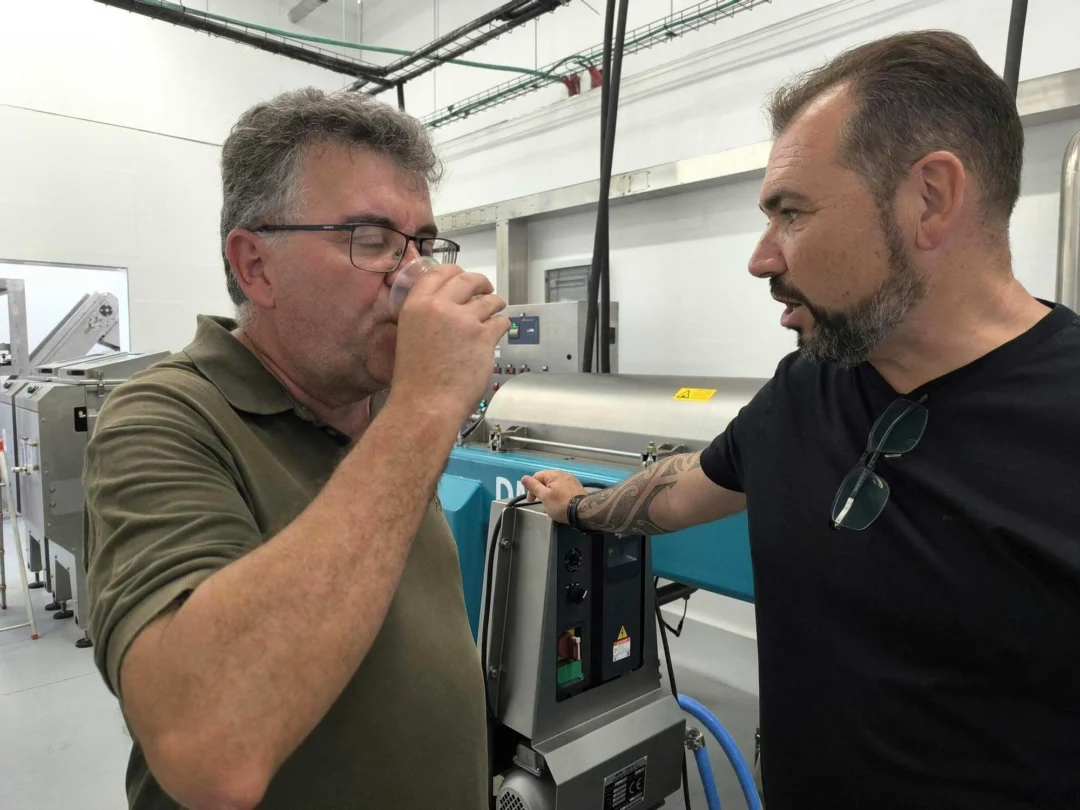
Formentera Island Council president Óscar Portas welcomed the opening as an important achievement for local farmers.
“For Formentera, this is a step forward. We have spent many years trying to make it possible for farmers to press their own olive oil, and we have finally achieved it,” he said.
Portas added that the first season would also provide valuable experience for improving the facility and its operation in future harvests.
“We already know the quality of Formentera’s olives, so the quality of the olive oil will be excellent too,” he concluded.
The new mill marks a turning point for Formentera’s olive growers, allowing them to process their harvest locally for the first time. Beyond reducing transport costs and helping preserve quality, the project lays the groundwork for developing a more distinctive local product and potentially securing protected geographical recognition in the years ahead.