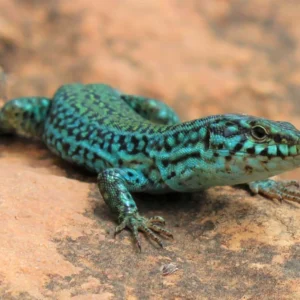
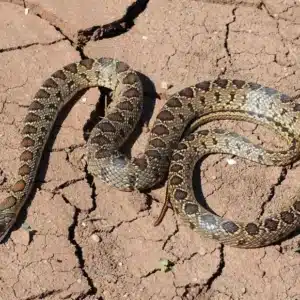
Ibiza & Formentera Preservation is calling for a new population census and urging European institutions to scrutinise measures to control invasive snakes threatening the islands’ native lizard.
Ibiza & Formentera Preservation has taken its concerns over the future of the Pityusic wall lizard, known locally as the sargantana, to European institutions amid the spread of invasive snakes across Ibiza and Formentera. The foundation has submitted initiatives to the European Parliament’s Petitions and Environment committees and worked with the office of MEP Jaume Asens to put three questions to the European Commission.
The organisation wants EU institutions to examine whether the relevant authorities are meeting their obligations to protect the species and whether current measures are sufficient. It has also called on the Balearic government to commission a new population census, adopt a dedicated conservation plan and allocate more resources to preventing new snakes from arriving and capturing those already established in the Pityusic Islands.
“We need to know where lizards still survive,” says Inma Saranova, the foundation’s director, who also stresses the need for data to assess the effectiveness of conservation measures.
A new census to establish the lizard’s true status
According to the foundation, the latest benchmark studies date from 2017 and 2022. Preservation proposes repeating the methodology used in 2022 to compare results over time and complement population surveys carried out by Creaf and other organisations.
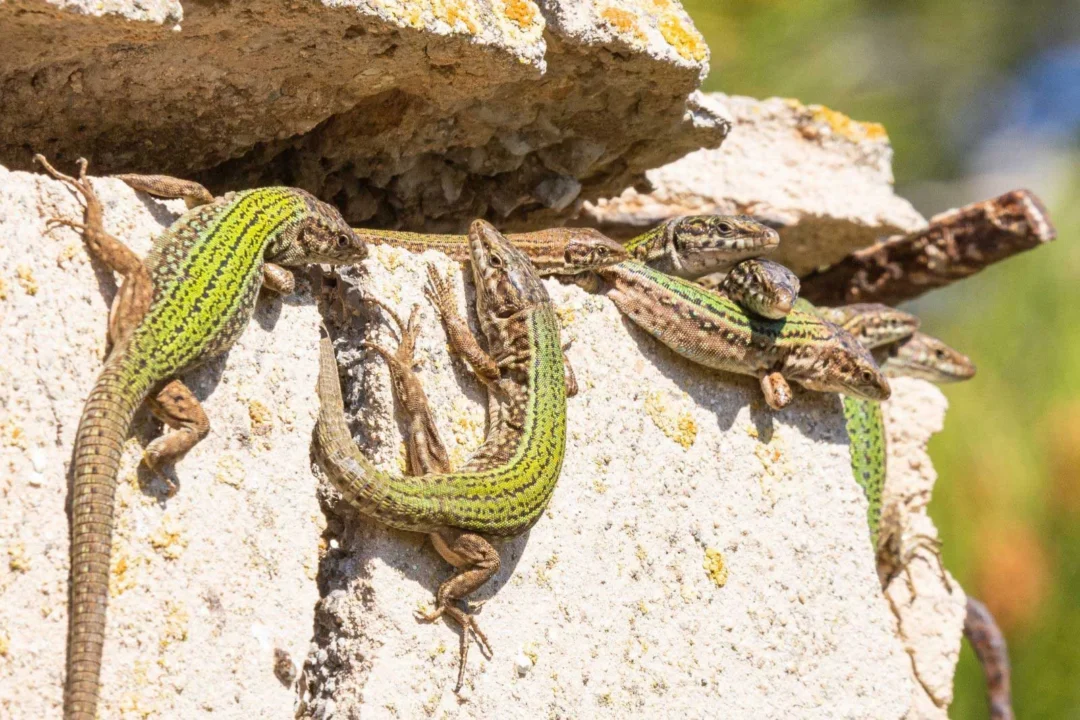
The proposed census would cover lizard populations across Ibiza, Formentera and their surrounding islets, with particular attention to isolated populations, those with distinctive genetic characteristics and those facing the greatest pressure from invasive snakes.
The foundation also wants census findings to be cross-referenced with data on snake captures, the distribution of the invasive reptiles and the extent of trapping efforts. The aim is to determine which measures are working and guide further action, including safe refuges, captive breeding and potential efforts to reinforce existing populations.
Preservation is also calling for a dedicated conservation plan for the Pityusic wall lizard, separate from the Plan Boscà, which covers several amphibian and reptile species, or for an equivalent conservation instrument.
At European level, the foundation is seeking information from the European Commission, the Spanish government and the Balearic authorities. According to Preservation, the Commission has already responded to the first parliamentary question, expressing concern about the species’ conservation and stating that responsibility for action lies primarily with national and regional authorities.
Preventing new snakes from arriving and increasing captures
Another key concern is the transport of large ornamental trees from mainland Spain, including centuries-old olive trees, which the foundation identifies as the main route through which new snakes reach the islands.
Preservation is proposing an independent scientific assessment of existing restrictions and seasonal quarantine measures. It also wants authorities to consider a permanent ban on bringing specimens into Ibiza and Formentera from areas considered high-risk. The foundation has asked European institutions to assess whether such a proposal would be compatible with EU single market rules.
The foundation says information received from the Balearic government confirms that regulations and inspections are in place, but does not demonstrate that the prevention system is sufficiently comprehensive or properly evaluated.
“The existence of a rule does not equate to effective enforcement,” Saranova argues.
As for snakes already established on the islands, an internal report commissioned by the organisation concludes that current trapping efforts are insufficient to achieve a significant reduction in their population. Preservation is therefore calling for an extraordinary snake-capture programme, backed by dedicated funding, annual targets and independent scientific monitoring.
The proposal prioritises coastal areas near islets that are home to distinctive lizard populations. It also calls for surveillance and rapid-response protocols in case snakes reach the islands by swimming.
Funding is available, but the foundation wants clearer commitments
Preservation acknowledges the resources earmarked for the islands through LIFE Reptiles, which allocates €2.18 million to the Balearic Islands over six years, and a project under the Sustainable Tourism Tax scheme, with €1.94 million allocated to snake control in Ibiza and Formentera.
However, the foundation wants clarification on how much LIFE Reptiles funding will specifically benefit the Pityusic wall lizard and how the two projects will be coordinated.
The organisation has been involved in efforts to contain invasive snakes since 2023 through Protegim Ses Sargantanes. It is also calling for a permanent working group bringing together public authorities, scientists and environmental organisations to assess results and agree on the next steps.
For Ibiza and Formentera, the central challenge is to establish where native lizard populations still survive, measure the effectiveness of existing interventions and strengthen efforts to prevent invasive snakes from spreading further.