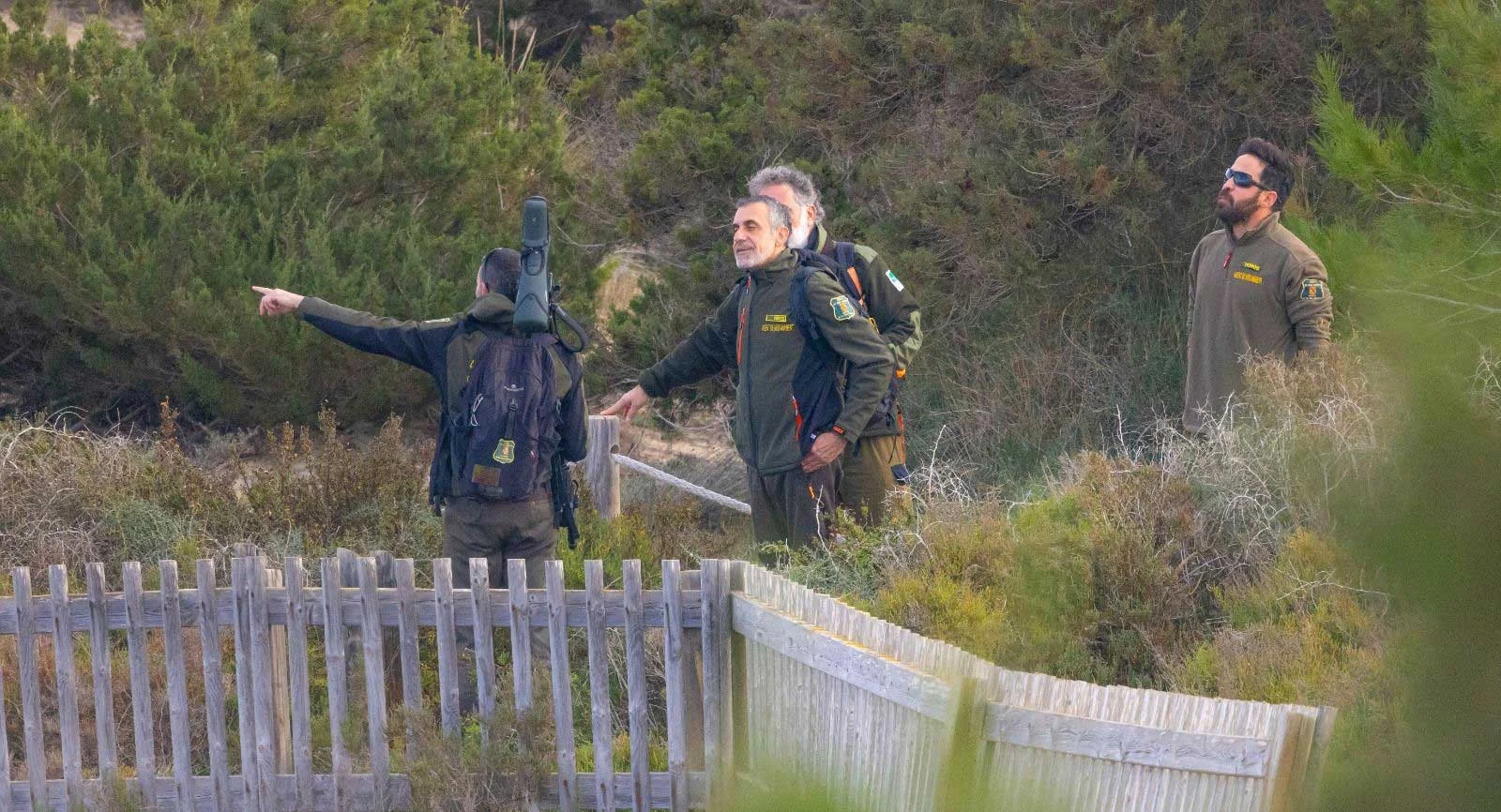
The Environmental Agents service in Ibiza and Formentera is set to receive six additional officers, according to a spokesperson for the Balearic Islands Ministry of Agriculture, Environment and Territory.
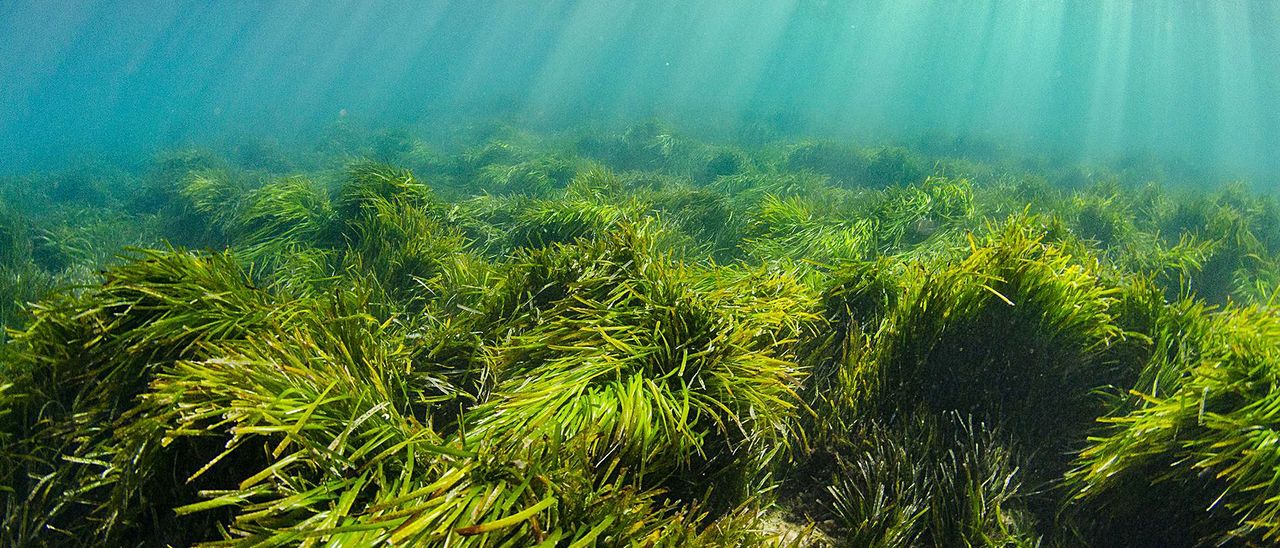
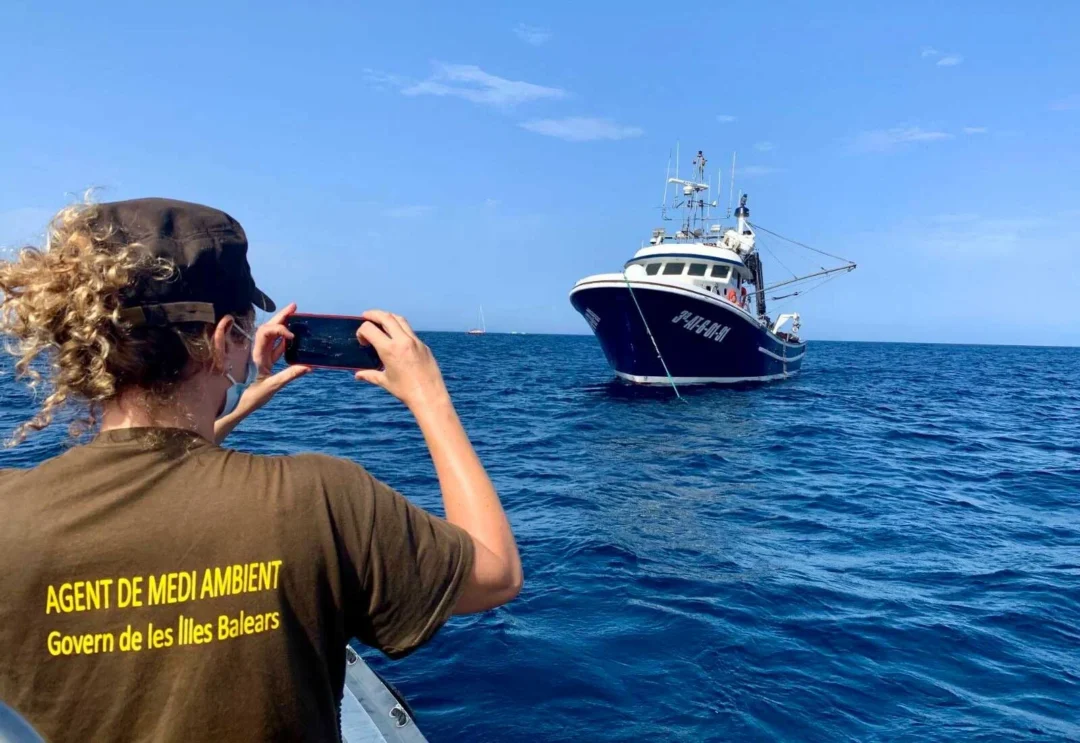
The expansion is expected to provide a significant boost to Posidonia protection and illegal anchoring controls in Ibiza and Formentera, as Environmental Agents are the only regional government officials with the legal authority to issue fines for boats anchoring on Posidonia oceanica.
The six new positions will bring the total number of Environmental Agents assigned to the Pityusic Islands to 18.
The increase is part of the creation of 12 new Environmental Agent positions across the Balearic Islands, which are expected to be incorporated by the end of this year. Once the new officers join, the total number of Environmental Agents across the archipelago will rise to 79 professionals.
First increase in Ibiza and Formentera since 2018
The Balearic government acknowledges that the service would ideally require an even larger workforce to meet current demands, describing the staffing shortage as a problem that dates back “much further”.
The previous recruitment drive took place in 2018, when six new positions were created across the Balearic Islands. Two of those positions were assigned to Ibiza and Formentera.
The latest expansion will therefore represent the first increase in the Environmental Agent workforce in the Pityusic Islands since 2018, at a time when pressure on Ibiza’s coastal environment and Posidonia meadows continues to be a major issue during the summer season.
Thousands of boats detected anchoring on Posidonia
The Balearic government has also responded to a recent report from the Sustainability Observatory, which highlighted the large gap between the number of boats detected anchoring on Posidonia and the number of formal sanctions issued.
The annual study, carried out for the Consell de Ibiza, found that 4,813 boats were detected anchoring on Posidonia in Pityusic waters during 2025.
However, only 18 sanction reports were issued.
The regional government says the discrepancy is largely explained by the different roles of the teams involved in monitoring the protected seagrass.
Posidonia surveillance boats can warn, but cannot issue fines
The Posidonia Surveillance Service, which also comes under the regional environmental authorities, is primarily responsible for informing and redirecting boats that are anchoring illegally.
The service operates four surveillance boats in Ibiza and Formentera, whose crews contact private vessels and ask them to move when they are found anchoring over Posidonia meadows.
According to the Sustainability Observatory’s report, 3,468 boats had to be moved in 2025 after being detected anchoring on Posidonia. This represented a substantial increase from the 1,719 boats moved in 2024.
The 2025 figure accounted for 21.3% of all boats inspected by the surveillance service in Ibiza, the highest proportion recorded anywhere in the Balearic Islands.
The other islands recorded significantly lower percentages:
- Ibiza: 21.3%
- Mallorca: 7.0%
- Menorca: 5.0%
- Formentera: 2.2%
Environmental Agents are responsible for Posidonia fines
The Balearic government has stressed that the Posidonia Surveillance Service and Environmental Agents have different responsibilities.
While surveillance crews focus on informing boat owners and preventing damage by asking vessels to move, formal sanctions for anchoring on Posidonia are issued following inspections by Environmental Agents.
These officers, however, are also responsible for a much broader range of duties, including the protection and monitoring of terrestrial and marine protected natural areas.
The government says their limited staffing means that the same officers must cover these different responsibilities, further highlighting the need to strengthen the Environmental Agent workforce in Ibiza and Formentera.
The arrival of six new officers is expected to increase the capacity to inspect illegal anchoring, protect Posidonia oceanica and enforce environmental regulations across the Pityusic Islands.