The number of illegal boat anchorings on Posidonia oceanica meadows detected along the Ibiza coastline has more than doubled between 2024 and 2025, rising from 1,719 to 3,468 incidents in just twelve months. The figures, compiled by the Posidonia Surveillance Service, make Ibiza the only Balearic island where violations increased despite an overall improvement across the archipelago.
The findings are included in the 2026 Mar Balear Report, which evaluates environmental management measures aimed at reducing pressure on the Balearic marine ecosystem. Across the rest of the islands, the average rate of illegal anchoring over Posidonia fell to 6.4%, one of the lowest levels recorded since the monitoring program was introduced.
Rising Boat Traffic Threatens Protected Seagrass
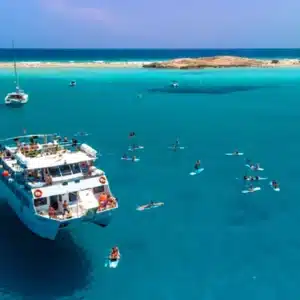
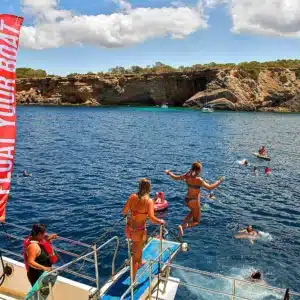
The report highlights a continued increase in recreational boating in the Balearic Islands, particularly during the peak tourist season between May and October. Although authorities still lack precise data on the total number of vessels operating around the islands, the growing presence of boats is placing increasing pressure on fragile marine habitats.
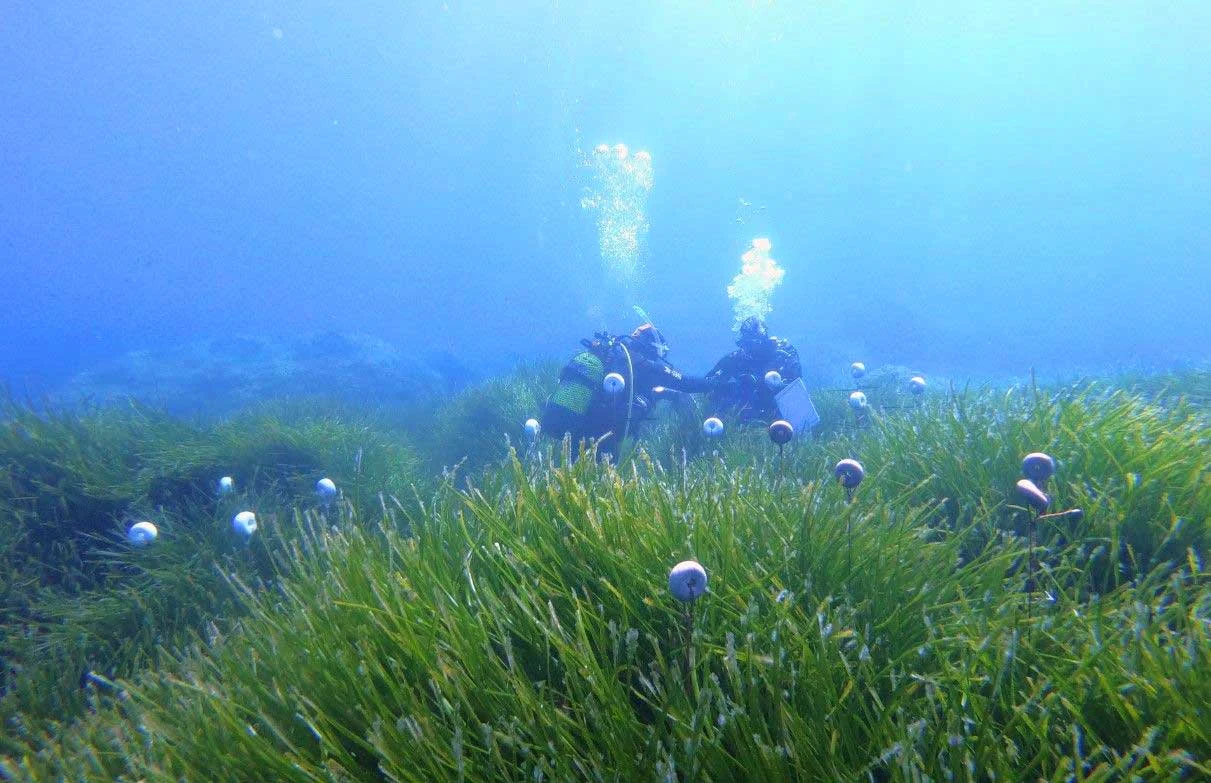
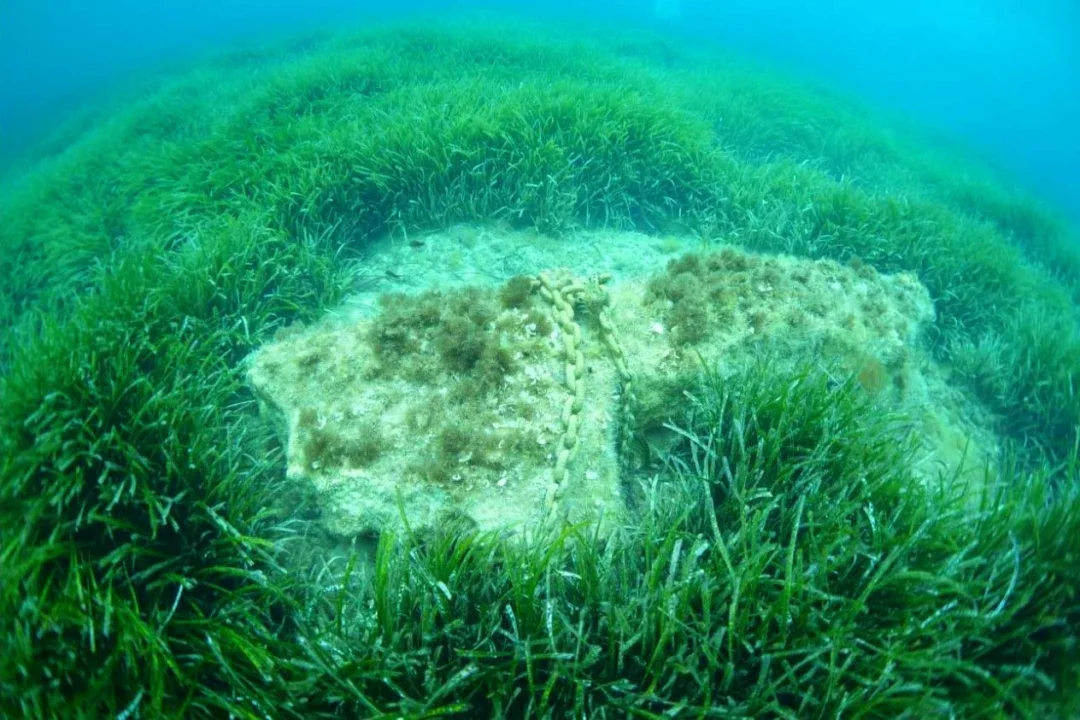
The greatest concern remains Posidonia oceanica, a protected Mediterranean seagrass species recognized under European, Spanish and regional environmental legislation. Scientists have long warned that anchors, chains and mooring systems can uproot and permanently damage these underwater meadows, which play a crucial role in maintaining marine biodiversity, water quality and coastal resilience.
Balearic Authorities Step Up Protection Measures
To reduce environmental damage, the Balearic Government operates several conservation initiatives, including the Posidonia Surveillance Service, managed by the Balearic Nature Institute (IBANAT) during the busiest months of the year.
In 2025, the service deployed 19 patrol vessels and carried out nearly 181,500 inspections, information campaigns and monitoring actions. These efforts have helped reduce illegal anchoring across most of the Balearic Islands, where the average infringement rate has continued to decline.
However, Ibiza remains the clear exception. While the regional trend has improved significantly since the record 17.3% illegal anchoring rate registered in 2018, Ibiza experienced a dramatic increase from 1,719 illegal anchorings in 2024 to 3,468 in 2025.
Eco-Friendly Mooring Buoys Help Protect Posidonia
Another key conservation strategy involves the installation of low-impact ecological mooring buoy fields, primarily located within Sites of Community Importance (SCI). These environmentally friendly mooring systems are designed to prevent anchors from damaging sensitive marine habitats, particularly the extensive Posidonia seagrass meadows that are essential to the health of the Mediterranean Sea.
Eco-Friendly Mooring Buoy Fields Expand Across the Balearic Islands
In 2025, Ports IB managed eight eco-friendly mooring buoy fields designed to minimize environmental damage to sensitive marine habitats. Mallorca led the network with three buoy fields and 115 mooring buoys, followed by Menorca, Cabrera and Formentera, while Ibiza operated a single buoy field with 39 buoys.
Mallorca and Formentera provide the highest number of moorings for small recreational boats up to eight metres in length. Despite having the fewest buoys overall, Ibiza allocates 21% of its moorings to larger yachts measuring more than 15 and 20 metres, reflecting the island’s popularity among luxury vessels.
Marine Litter Remains a Growing Environmental Challenge
The 2026 Mar Balear Report also examines the collection of floating marine debris, warning that increasing tourism, recreational boating and human activity across the Balearic Islands are generating more waste and raising the likelihood of pollution reaching the sea.
Marine litter not only affects beach users but also poses a serious threat to marine species, coastal ecosystems and underwater habitats. While the report stresses that reducing pollution depends primarily on responsible waste management and sustainable public policies, the Coastal Cleaning Coordination Centre (CCNL) continues to remove floating debris from the shoreline using specialized cleanup vessels.
However, the cleanup fleet has been reduced by almost half, falling from 40 vessels in 2010 to just 22–23 operating since 2021. As a result, the overall amount of waste collected has also declined significantly.
Plastic Continues to Dominate Marine Waste
Between 2004 and 2010, annual marine waste collections exceeded 200 tonnes, while only 28 tonnes were removed in 2024—almost ten times less.
Throughout the monitoring period, plastic has consistently represented around 40% of all marine litter collected. According to the report, plastic pollution threatens marine life through ingestion, entanglement and the introduction of microplastics into the food chain, making it one of the Mediterranean’s most persistent environmental challenges.
Citizen Science Strengthens Marine Conservation
The report also highlights the growing contribution of citizen science initiatives to marine conservation in the Balearic Islands. By participating in monitoring programs, volunteers not only provide valuable scientific data but also increase public awareness and understanding of marine biodiversity and environmental protection.
Citizen science platforms such as Observadores del Mar, Biodibal and Dapera, supported by the Balearic Government’s Species Protection Service (GOIB), have contributed thousands of new marine biodiversity records.
Between 2000 and 2025, Observadores del Mar validated more than 24,000 observations of marine species and habitats across Spain. More than 8,000 of those records—one in every three—were collected in Balearic waters, while 80% of all validated observations recorded between 2020 and 2025 came from Marine Protected Areas (MPAs), underlining the importance of citizen participation in safeguarding the Mediterranean’s marine ecosystems.