Ibiza’s Hospitality Sector Under Pressure This Summer
The Ibiza restaurant industry is navigating a difficult tourist season as two major challenges reshape customer behaviour: extreme summer temperatures and reduced visitor spending. According to Miquel Tur, president of the Restaurant Association of Ibiza and Formentera (PIMEEF), businesses have now experienced three consecutive seasons of unpredictable trading, driven by rising travel costs and changing tourism habits.
While visitor numbers remain significant, many tourists are arriving on the island with smaller holiday budgets after paying more for flights, accommodation and other travel expenses. As a result, restaurants and bars are seeing customers dine out less frequently than in previous years, creating an increasingly unpredictable business environment.
Heatwaves Push Diners Indoors
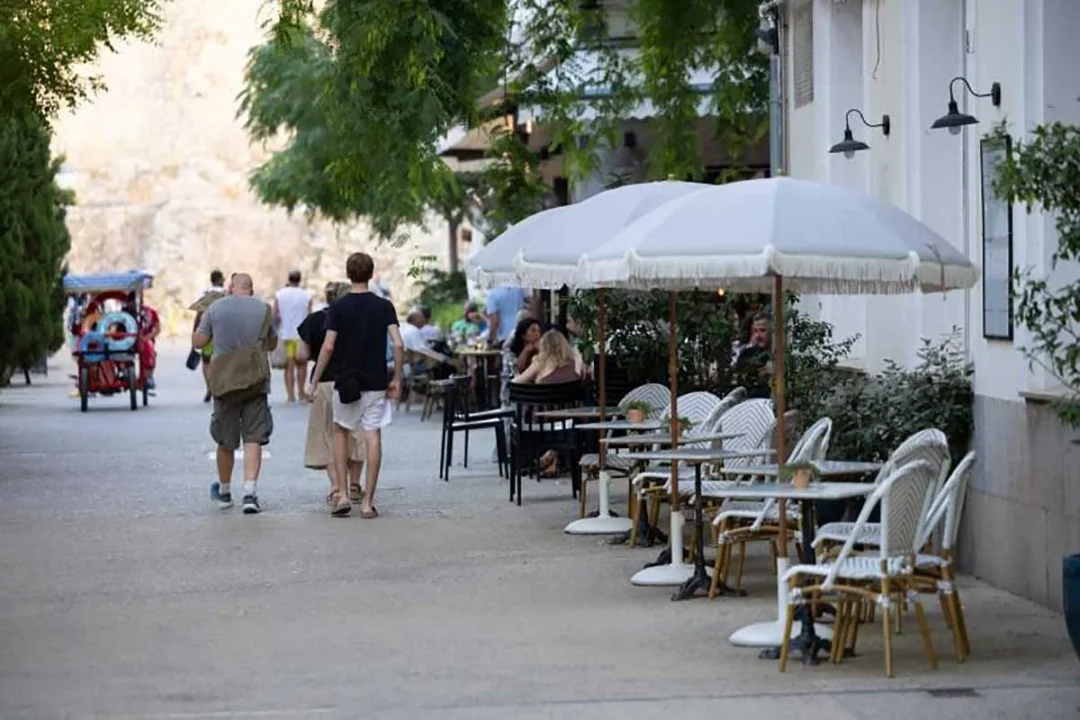
This summer, record-breaking heatwaves in Ibiza have added further pressure to restaurants, particularly those that rely on outdoor terraces. Even with shade structures, large umbrellas and evaporative cooling systems, many visitors are choosing air-conditioned indoor dining areas during the hottest hours of the day.
Tur explains that dining should be an enjoyable experience, but exceptionally high temperatures make outdoor meals uncomfortable despite the efforts made by restaurant owners to improve conditions.
The biggest impact is felt during lunchtime, when terraces lose customers to indoor seating. Outdoor dining becomes more popular again in the evening as temperatures begin to fall.
Different Tourists, Different Habits
Not all visitors react to the heat in the same way. According to the hospitality association, many Northern European tourists continue to prefer outdoor seating despite the high temperatures, while Spanish visitors are generally more likely to seek air-conditioned restaurants during periods of extreme heat.
These differences in consumer behaviour are influencing how restaurants allocate tables and manage service throughout the day.
Restaurant Staff Also Feel the Impact
The prolonged heat is also affecting restaurant employees. Many businesses have reorganised work schedules to reduce the amount of time staff spend outside, while increasing staffing levels during peak hours to ease workloads.
Restaurants are also providing additional hydration, shaded rest areas and cooling equipment to protect employees during the hottest parts of the day. Although Tur says he is unaware of serious heat-related incidents among staff, he acknowledges that working outdoors has become increasingly uncomfortable.
As heatwaves become more frequent across the Mediterranean, many hospitality businesses are investing in improved cooling systems and redesigning their dining spaces to make indoor areas more attractive during the peak summer months.
Tourists Spending Less on Food and Dining
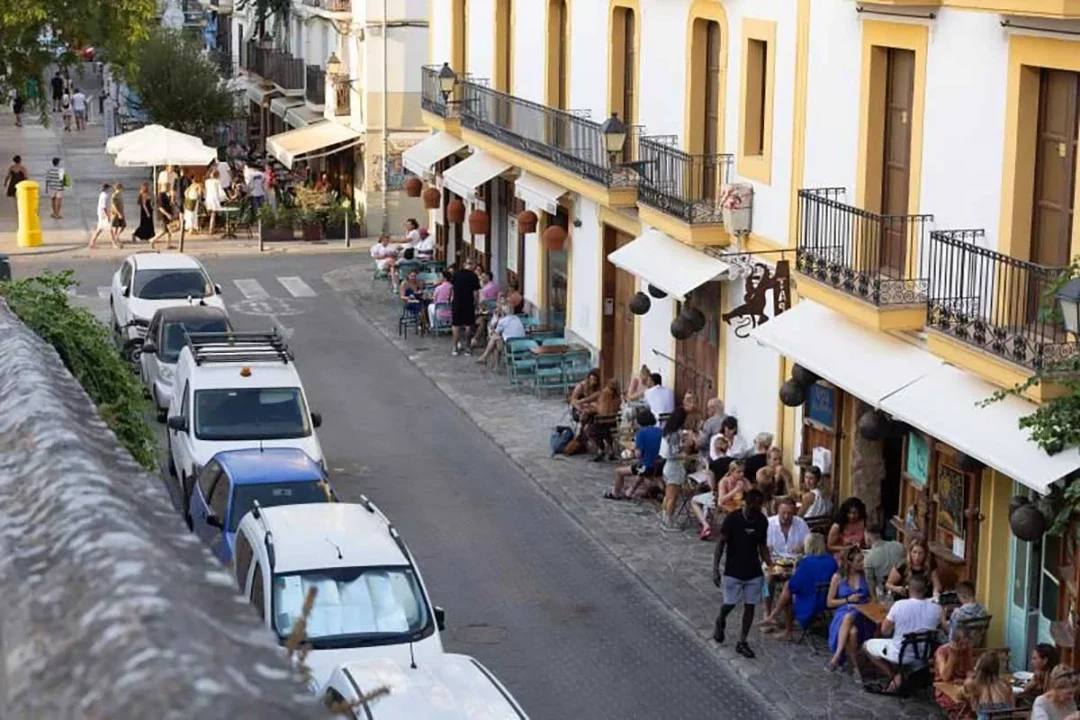
Beyond the weather, the sector continues to face changing travel patterns. According to Tur, tourists are taking shorter holidays in Ibiza and allocating a greater share of their budgets to essential costs such as accommodation and transport.
Because dining out is viewed as a discretionary expense, many visitors now eat at restaurants fewer times during their stay, often combining restaurant meals with supermarket purchases or takeaway food.
This shift has made daily business far less predictable, with restaurants experiencing busy trading days followed by unexpectedly quiet periods, making staffing and revenue planning increasingly difficult.
Rising Costs Add More Pressure
Restaurant owners are also dealing with higher operating costs, forcing many businesses to increase menu prices in order to maintain sustainable margins. Inflation, rising supplier prices and increased operating expenses continue to place additional strain on the sector.
With higher business costs, reduced tourist spending, shorter holidays, and extreme summer temperatures, Ibiza’s hospitality industry is adapting to a tourism landscape that is changing rapidly.
According to Tur, the combination of these factors confirms that visitor behaviour has shifted significantly, requiring restaurants to rethink both their business strategies and customer experience during the island’s busiest season.